Is Treatment in Thailand Right for You? What Canadians Should Know About Addiction and Mental Health Care Abroad

Choosing addiction or mental health treatment is a deeply personal decision. For Canadians who have struggled to find the right support, treatment in Thailand may offer an alternative worth exploring. Depending on the provider, programmes may include residential addiction recovery, outpatient counselling, mental health services, holistic wellness activities, and individualized treatment planning. However, travelling abroad for care involves more than choosing a destination. It requires a careful assessment of your needs, the quality of available treatment, financial considerations, and the support you will need after returning home.

The right treatment should help you address the underlying causes of substance use, improve your mental health, and build practical skills for everyday life. Thailand may be a suitable option for some Canadians, but it is not automatically better than receiving care at home. Understanding the advantages, challenges, and questions to ask can help you make an informed decision about your recovery.

Why Are Canadians Considering Addiction Treatment in Thailand?

Addiction can affect nearly every part of life, including physical health, relationships, work, finances, and emotional wellbeing. For some people, alcohol or drug use becomes a way to cope with anxiety, depression, trauma, grief, or ongoing stress. Over time, this pattern can become difficult to change without professional support.

When local treatment options do not feel like the right fit, some Canadians begin exploring medical tourism. Thailand may offer access to residential programmes, private treatment settings, and services that combine clinical care with structured wellness activities.

The Potential Benefits of a Different Environment

A new environment can provide space to step away from familiar routines and pressures. For individuals whose substance use is connected to specific social situations or daily stressors, this distance may make it easier to focus on treatment.

A structured programme may also provide time to develop healthier habits, participate in therapy, and reflect on personal goals without managing every usual responsibility at once.

However, a change of scenery cannot resolve addiction by itself. Long term progress depends on appropriate treatment, active participation, and a realistic plan for handling challenges after returning to Canada.

Access to Individualized Treatment

People have different reasons for seeking treatment, and their needs can change throughout recovery. A suitable provider should assess each person’s substance use history, physical health, mental health symptoms, previous treatment experiences, and personal goals.

Individualized care may include counselling, behavioural therapies, psychiatric support, relapse prevention education, and complementary wellness services. The specific combination should depend on a professional assessment rather than a standard package offered to every client.

Is Treatment Abroad the Right Choice for Your Situation?

Before researching facilities, consider what you need from treatment and whether those needs can be met safely in another country.

When Treatment in Thailand May Be Worth Exploring

Treatment abroad may be worth considering if you:

  • Want to compare a wider range of treatment settings and therapeutic approaches.
  • Prefer a structured residential environment away from familiar triggers.
  • Are looking for a programme that addresses addiction and mental health together.
  • Want access to complementary wellness activities alongside clinical care.
  • Can manage the financial and practical demands of international treatment.
  • Have a clear plan for continuing care after returning to Canada.

These factors can help guide your research, but they do not guarantee that an overseas programme will be appropriate. A qualified healthcare professional can help assess your clinical needs and discuss suitable options.

When Staying in Canada May Be More Appropriate

Treatment closer to home can make it easier to involve family members, maintain contact with existing healthcare providers, and access continuing support. It may also be more appropriate for individuals who need frequent medical appointments or close coordination among multiple specialists.

If you have complex medical needs, significant psychiatric symptoms, or limited support for managing international travel, remaining in Canada may be the safer choice.

The goal is not to choose the most appealing destination. It is to find treatment that provides the right level of care, protects your health, and supports your long term recovery.

How to Evaluate Addiction and Mental Health Treatment Providers in Thailand

Once you decide to explore treatment abroad, research each provider carefully. A professional website and attractive facilities are not enough to establish clinical quality.

Verify Clinical Qualifications and Safety Procedures

Ask who will oversee your treatment and verify the relevant qualifications and licensing of the professionals involved. Find out whether the programme has experience treating your specific concerns and whether medical support is available when needed.

Important questions include:

  • How does the provider assess substance use and mental health conditions?
  • What medical services are available during treatment?
  • How are withdrawal symptoms and medical emergencies managed?
  • Can the programme address co occurring conditions such as anxiety or depression?
  • What happens if a client needs a higher level of medical or psychiatric care?
  • How are treatment progress and discharge decisions evaluated?

These questions are especially important if you have a history of severe withdrawal, take prescription medication, or have a medical or psychiatric condition requiring ongoing attention.

Withdrawal from alcohol and certain sedatives can be dangerous. Do not attempt to manage potentially serious withdrawal alone or delay urgent medical care while arranging international treatment.

Look Beyond Advertising Claims

Ask for a written explanation of the services included in the programme. Clarify the treatment schedule, staff availability, counselling options, medication policies, privacy protections, and procedures for handling complaints or unexpected changes in care.

You should also understand the difference between clinical treatment and complementary wellness activities. Meditation, yoga, exercise, and nutrition support may contribute to wellbeing, but they should not replace appropriate medical care or evidence based psychological treatment.

A reliable provider should answer questions clearly and allow you enough time to make a decision without pressuring you into immediate payment.

Understanding Inpatient, Outpatient, and Holistic Care

Treatment programmes differ in structure and intensity. Understanding the available options can help you determine what to discuss with a healthcare professional.

Inpatient and Residential Treatment

Residential treatment involves staying at a facility while participating in a structured recovery programme. Depending on the provider, services may include individual therapy, group counselling, recovery education, medical monitoring, and planned daily activities.

This setting may benefit people who need greater structure or distance from their usual environment. Nevertheless, residential care should be selected according to clinical needs, not simply because it appears more intensive.

Outpatient Treatment

Outpatient care allows clients to attend scheduled treatment sessions while living outside the facility. It may suit people who can safely manage daily life without residential supervision.

Canadians considering outpatient treatment in Thailand should clarify accommodation arrangements, access to medical assistance, transportation, and the amount of support available between appointments.

Holistic and Faith Based Approaches

Some treatment providers incorporate holistic activities such as mindfulness, meditation, yoga, exercise, nutritional guidance, and stress management. These approaches may help clients develop healthier routines and learn ways to manage emotional discomfort.

Faith based counselling may also support individuals who want spirituality, religious beliefs, or personal values to form part of their recovery.

Both approaches should respect individual preferences and complement appropriate clinical treatment. Ask which services are available, who provides them, and how they fit into your overall recovery plan.

What Will Treatment in Thailand Cost?

Cost is often an important consideration for Canadians exploring medical tourism. Although some programmes may appear affordable at first, the advertised treatment fee rarely tells the whole story.

Calculate the Total Financial Commitment

Before making a decision, request a written estimate covering:

  • Initial assessments and programme fees.
  • Accommodation, meals, and local transportation.
  • Flights and other travel expenses.
  • Prescribed medication and medical appointments.
  • Travel insurance and applicable treatment coverage.
  • Additional therapy or specialist services.
  • Continuing care after returning to Canada.
  • Emergency expenses or changes to travel plans.

Confirm payment deadlines, cancellation policies, refund conditions, and the cost of extending treatment if necessary. Contact your insurance provider directly to determine what is covered, if anything. Do not assume that a policy will cover treatment received outside Canada.

A realistic budget helps you compare programmes fairly and reduces the chance that financial stress will interfere with recovery.

Planning for Life After Treatment

One of the most important questions to ask is what happens when you leave the programme. Recovery continues long after a residential stay or a series of outpatient sessions has ended.

Arrange Aftercare in Canada

Returning home can bring familiar pressures, relationships, and situations associated with previous substance use. Without continuing support, these challenges may make it harder to maintain progress.

Before travelling, begin identifying Canadian healthcare providers, counsellors, and recovery support groups that may help you after treatment. Ask the overseas provider whether it can coordinate discharge recommendations and share relevant clinical information with your Canadian care team, with your consent.

Depending on your needs, aftercare may include ongoing counselling, medication management, peer support, relapse prevention planning, and regular medical follow up.

Build a Practical Relapse Prevention Plan

A strong plan should identify your personal warning signs and outline what to do when cravings, emotional distress, or stressful situations arise.

Consider who you can contact for support, which activities help you manage stress, and where you can access professional help if your symptoms worsen. If you have family members or trusted friends who support your recovery, discuss how they can help while respecting your independence and privacy.

Planning ahead makes the transition home more manageable and connects the work completed during treatment with the demands of everyday life.

Take the Next Step Toward the Right Care

Is treatment in Thailand right for you? The answer depends on your health, recovery goals, financial circumstances, and the quality of care available. For some Canadians, treatment abroad may provide a useful opportunity to focus on recovery in a different setting. For others, local treatment may offer safer medical access, stronger family involvement, and more convenient continuing care.

If you are considering addiction or mental health treatment in Thailand, begin by speaking with a qualified healthcare professional. Research providers, verify clinical credentials, compare treatment options, and ask detailed questions about safety, cost, and aftercare before committing to travel.

You do not have to make every decision at once. Taking the time to understand your options can help you choose care that respects your circumstances and addresses your needs. With an appropriate treatment plan and reliable support, recovery can become a practical, achievable goal, wherever you receive care.

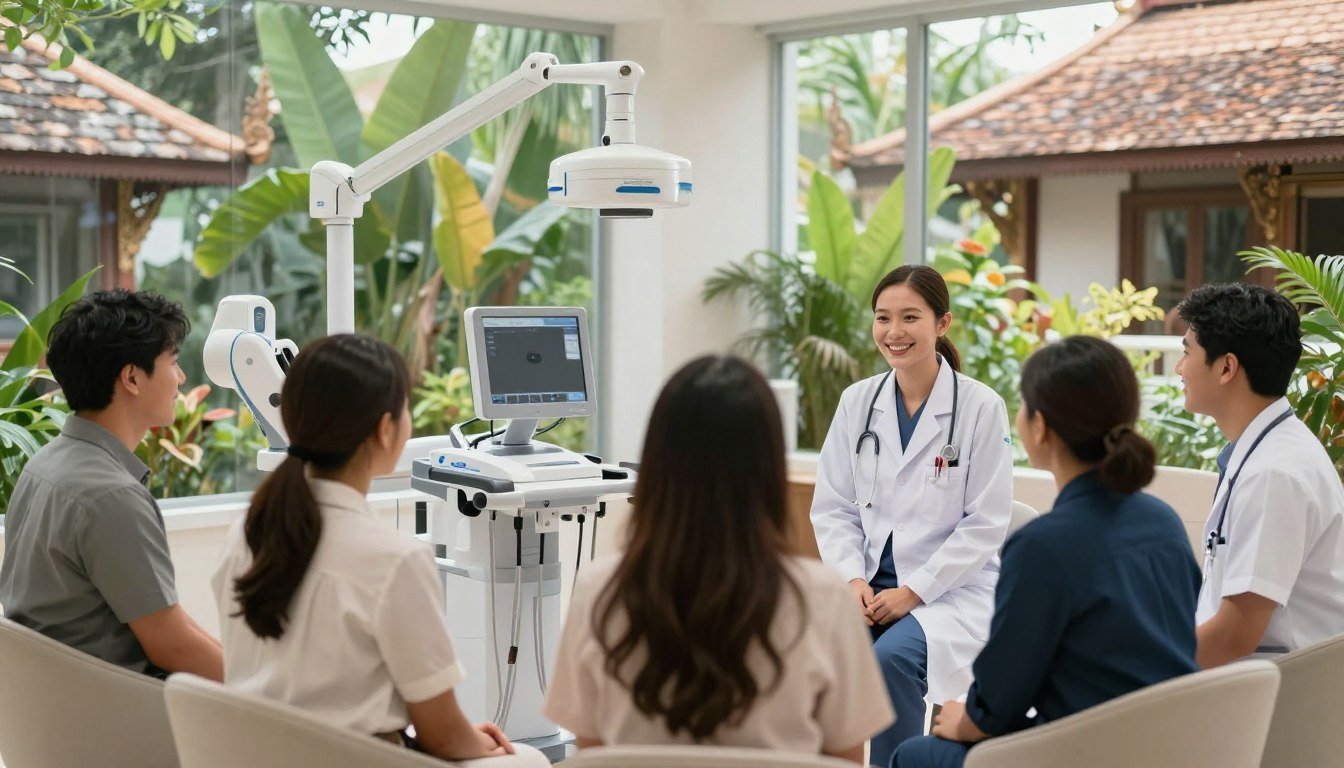
Planning Treatment Abroad: What Canadians Need to Know Before Seeking Addiction and Mental Health Care in Thailand

Seeking addiction or mental health treatment abroad is a major decision, especially when it involves leaving family, familiar healthcare providers, and everyday responsibilities behind. For Canadians considering treatment in Thailand, careful planning can help clarify whether an international programme offers the right combination of clinical care, personal support, and long term recovery planning. Before booking a flight or paying a deposit, it is important to understand the treatment options, verify the provider’s qualifications, assess medical needs, and prepare for the transition home.

Thailand may offer residential addiction treatment, outpatient counselling, mental health services, and complementary wellness activities. However, the best programme is not necessarily the one in the most appealing location or at the lowest price. The priority should be safe, individualized care that addresses the reasons behind substance use and supports lasting improvements in mental and physical health.

Start With an Honest Assessment of Your Treatment Needs

Before comparing treatment centres, take time to understand what kind of support may be appropriate. Addiction can affect people differently, and a programme that works well for one person may not meet another person’s needs.

Alcohol or drug use may occur alongside anxiety, depression, trauma, chronic stress, or other mental health concerns. Some people need help managing withdrawal safely, while others need structured therapy to address recurring patterns of substance use and emotional distress.

Speak With a Qualified Healthcare Professional

A healthcare professional can help assess the severity of substance use, identify medical risks, review current medications, and discuss suitable levels of care. This conversation is especially important if you have experienced withdrawal symptoms, have significant physical health concerns, or have previously needed intensive treatment.

Do not stop prescribed medication or attempt to manage potentially dangerous withdrawal without medical guidance. Withdrawal from alcohol and certain sedatives can cause serious complications and may require medically supervised care.

Before making travel arrangements, establish whether your needs can be managed safely by the provider you are considering. If you are experiencing a medical emergency or an immediate risk of self harm, seek urgent local assistance rather than waiting to arrange treatment abroad.

Research Addiction and Mental Health Providers Carefully

A treatment centre’s website can introduce its services, but it should not be the only source used to evaluate quality. Canadians should verify the credentials of the professionals who will provide care and ask specific questions about clinical procedures.

Check Qualifications and Medical Support

Ask potential providers about:

  • Professional licensing and qualifications of clinicians.
  • Experience treating your particular substance use and mental health concerns.
  • Availability of medical assessments and withdrawal management.
  • Access to psychiatric care and medication management when needed.
  • Procedures for medical emergencies and hospital transfers.
  • Confidentiality policies and protection of personal health information.
  • How treatment progress is evaluated and communicated.

Find out who is responsible for your care throughout the programme. If the facility relies on outside medical providers, ask how referrals, appointments, and emergencies are coordinated.

It is also worth confirming what the advertised programme includes. Terms such as comprehensive care or personalized treatment can mean different things at different facilities. Request a clear description of the actual services, staffing, schedule, and clinical support available.

Understand Inpatient and Outpatient Treatment Options

The appropriate level of care depends on clinical needs, personal circumstances, and the amount of structure required to support recovery.

When Residential Treatment May Be Appropriate

Inpatient or residential treatment allows clients to stay at a facility while participating in a planned programme. Depending on the provider, services may include individual therapy, group counselling, recovery education, medical monitoring, and structured daily activities.

Residential care may be helpful for people who need distance from familiar triggers or a more consistent therapeutic environment. However, a residential setting is not automatically suitable for everyone. Medical stability, psychiatric needs, and the level of supervision required should guide the decision.

When Outpatient Care May Be Suitable

Outpatient treatment allows people to attend scheduled sessions while living elsewhere. It may be appropriate for individuals who can safely manage daily life outside a residential programme and have access to suitable support.

Canadians considering outpatient care in Thailand should clarify where they will stay, how they will travel to appointments, and what medical support is available outside treatment hours. They should also determine whether the programme can provide enough structure for their needs.

Ask the provider to explain why its recommended level of care is appropriate and what alternatives are available if your needs change.

Look for Treatment That Addresses Mental Health and Addiction Together

Treating substance use without considering related mental health concerns can leave important recovery needs unaddressed. For example, someone who relies on alcohol to cope with anxiety may need to learn healthier ways to manage anxious thoughts, physical tension, and difficult situations.

Integrated treatment can help address these connected challenges through appropriate clinical services.

Explore Evidence Based Therapies

Depending on the assessment and treatment plan, services may include individual counselling, group therapy, behavioural approaches, trauma informed care, psychiatric assessment, and relapse prevention planning.

Ask how the programme adapts treatment to each client’s history, goals, and progress. A useful treatment plan should explain what the sessions are intended to achieve and how the care team will review whether the approach is helping.

Consider Holistic and Faith Based Support

Some programmes also offer complementary wellness activities, such as mindfulness, meditation, yoga, exercise, nutrition guidance, or creative activities. These practices may support stress management and general wellbeing, but they should complement appropriate clinical treatment rather than replace it.

Faith based counselling may be valuable for people who want to include spiritual beliefs, personal values, or a sense of purpose in their recovery. Such support should be optional and respectful of individual beliefs.

Before enrolling, confirm which services are included, who delivers them, and how they fit into the overall treatment plan.

Calculate the Full Cost of Treatment Abroad

Affordability is often an important factor when Canadians explore medical tourism. However, comparing advertised programme prices alone can give an incomplete picture of the financial commitment.

Build a Realistic Budget

Ask for a written breakdown of all expected costs, including:

  • Treatment fees and initial assessments.
  • Accommodation and meals.
  • Flights and local transportation.
  • Prescribed medications and medical appointments.
  • Travel insurance and any applicable treatment coverage.
  • Additional counselling or specialist services.
  • Follow up care after returning to Canada.
  • Emergency expenses and possible changes to travel plans.

Clarify the payment schedule, refund policy, cancellation terms, and charges for extending treatment. If you expect to use insurance or other benefits, confirm coverage directly with the relevant provider. Do not assume that a policy will pay for treatment received outside Canada.

A clear budget can help you compare options fairly and reduce the risk of financial pressure interrupting treatment.

Prepare for Travel, Communication, and Personal Safety

International treatment involves practical details that can affect both comfort and continuity of care. Once you have identified a potential provider, confirm the arrangements before making nonrefundable commitments.

Organize Essential Documents and Medication Information

Ask the treatment centre which records it needs before admission. These may include a medication list, relevant medical history, previous treatment summaries, and information about allergies or existing health conditions.

Check current travel requirements, entry rules, and restrictions on bringing medication into Thailand. Carry medication in its original packaging when appropriate and obtain documentation from the prescribing professional. Verify the rules for the specific medication before departure.

Discuss how you will communicate with family members and healthcare providers in Canada. Confirm whether the facility offers suitable language support, how often you can contact loved ones, and how urgent concerns are handled.

Consider Your Support Network

Travelling for treatment can create distance from people who normally provide emotional and practical support. Before leaving, discuss the plan with trusted individuals where appropriate and consider how they can remain involved.

If you have children, caregiving duties, employment responsibilities, or financial obligations, make arrangements in advance. Reducing avoidable stress can help you focus on treatment rather than trying to resolve urgent matters from another country.

Plan Aftercare Before You Leave Canada

One of the most important parts of seeking addiction treatment in Thailand is deciding what happens after the programme ends. Returning home can bring renewed exposure to familiar routines, stressful relationships, and situations associated with previous substance use.

Arrange Continuing Care in Canada

Before departure, identify potential Canadian healthcare providers, counsellors, or peer support groups who can help maintain progress. Ask the treatment centre whether it can coordinate discharge recommendations and share relevant clinical information with your Canadian providers, with your consent.

Your aftercare plan may include ongoing therapy, medical follow up, medication management, relapse prevention strategies, and regular recovery support meetings.

Prepare for Challenges After Treatment

Recovery rarely follows a perfectly predictable path. Cravings, emotional discomfort, and stressful events may occur even after a productive treatment experience.

A practical plan should identify personal warning signs, strategies for managing triggers, people to contact, and steps to take if substance use resumes. It should also explain how to obtain urgent help if mental health symptoms become severe.

Distance from familiar pressures may help create an initial opportunity for change. Continuing support helps turn that opportunity into habits and decisions that can be sustained at home.

Questions to Ask Before Choosing a Treatment Centre in Thailand

Before making a final decision, ask the provider to explain its approach clearly. Useful questions include:

  • What assessment will determine my treatment plan?
  • Which qualified professionals will be directly involved in my care?
  • How are withdrawal risks and medical emergencies managed?
  • Can the programme address my mental health concerns alongside addiction?
  • Which services are included in the quoted price?
  • What happens if I need a higher level of care?
  • How will my privacy and personal information be protected?
  • What discharge planning and follow up support are available?
  • Can the team coordinate with my healthcare providers in Canada?

Clear, specific answers can help you distinguish between a programme that simply offers a place to stay and one that has a well-defined approach to clinical care and recovery.

Make an Informed Decision About Treatment Abroad

Seeking addiction and mental health treatment in Thailand may be a worthwhile option for some Canadians, but the decision should be guided by clinical needs, provider quality, financial circumstances, and the availability of ongoing support. A change of environment can offer space to focus on recovery, yet meaningful progress depends on appropriate treatment, personal commitment, and a plan for life after discharge.

If you are considering treatment abroad, begin by speaking with a qualified healthcare professional and researching providers in detail. Compare services, verify credentials, understand the full cost, and establish an aftercare plan before making travel commitments.

You do not have to solve every recovery challenge at once. Taking the time to ask the right questions can help you make a safer, more confident decision about the support you need. With careful preparation and individualized care, the next step can be the beginning of a more stable and healthier future.

Healing in a New Setting: How Thailand’s Approach to Mental Health and Addiction Recovery May Help Canadians

Recovery from addiction or ongoing mental health challenges often requires more than a decision to change. It requires the right support, a treatment plan that fits individual needs, and an environment where meaningful progress can begin. For Canadians who have struggled to find suitable care close to home, Thailand may offer another option. With opportunities to access inpatient treatment, outpatient support, psychological care, and holistic wellness services, treatment abroad can give some individuals a chance to step away from familiar pressures and focus on their health.

However, choosing addiction treatment in Thailand is an important decision that deserves careful research. The destination alone does not determine the quality of care. Clinical expertise, personal safety, treatment methods, affordability, and continuing support after returning to Canada should all guide the decision.

Why Some Canadians Consider Addiction Treatment in Thailand

People experience addiction in different ways. For some, alcohol or drug use begins as an attempt to manage stress, anxiety, emotional pain, or difficult life circumstances. Over time, substance use can affect physical health, relationships, employment, and the ability to manage everyday responsibilities.

Mental health concerns can make recovery more complicated. Depression, anxiety, unresolved trauma, and chronic stress may occur alongside addiction. When these issues are not addressed, a person may continue struggling even after reducing or stopping substance use.

For some Canadians, exploring treatment abroad creates an opportunity to consider care outside their usual routines. Thailand may offer residential treatment settings, access to private services, and programmes that combine clinical support with structured daily activities.

Nevertheless, treatment abroad is not automatically the right choice for everyone. The most appropriate option depends on a person’s medical needs, mental health, financial circumstances, family responsibilities, and recovery goals.

How a New Environment May Support Recovery

Everyday surroundings can influence habits, emotional responses, and exposure to triggers. Familiar social situations, stressful responsibilities, and easy access to substances may make it harder for some people to establish healthier routines.

Creating Space From Familiar Triggers

Residential addiction treatment in Thailand may allow clients to step away temporarily from environments associated with substance use. This distance can provide time to reflect, participate in therapy, and develop practical coping skills without managing every usual responsibility at once.

A change of setting can also make room for healthier routines. Regular meals, adequate rest, physical activity, counselling, and structured recovery activities can help people begin paying attention to their physical and emotional wellbeing.

However, geographical distance does not resolve addiction on its own. Treatment should help individuals understand their triggers and practise responding to them. These skills remain essential when they return to their homes, workplaces, and communities in Canada.

Building Healthier Daily Habits

Recovery involves more than avoiding alcohol or drugs. It also means learning how to manage stress, communicate effectively, set boundaries, and respond to difficult emotions without returning to harmful patterns.

A structured treatment programme can help clients practise these skills in a supportive setting. Over time, small changes in sleep, exercise, self care, and daily planning may contribute to a more stable foundation for recovery.

Individualized Treatment for Addiction and Mental Health

There is no single treatment plan that works for everyone. Effective care should account for each person’s history, current symptoms, physical health, previous treatment experiences, and personal goals.

Understanding the Whole Person

An initial clinical assessment helps determine what kind of treatment may be appropriate. Depending on the individual’s circumstances, this process may examine:

  • The type and severity of substance use.
  • Physical health concerns and potential withdrawal risks.
  • Anxiety, depression, trauma, or other mental health symptoms.
  • Current medications and previous treatment experiences.
  • Family relationships, work pressures, and environmental triggers.
  • Personal strengths, support networks, and long term recovery goals.

This assessment should guide treatment decisions rather than placing every client into the same programme.

Treating Co Occurring Conditions

When addiction and mental health concerns occur together, both need appropriate attention. For example, a person experiencing anxiety may use alcohol to feel calmer, only to find that drinking worsens sleep and emotional stability over time.

Integrated care may include individual counselling, group therapy, behavioural approaches, psychiatric assessment, and relapse prevention planning. Specific methods should be selected according to clinical assessment and delivered by appropriately qualified professionals.

Before choosing a treatment centre in Thailand, Canadians should ask how the provider assesses co occurring conditions and whether qualified staff can manage their particular needs.

Inpatient and Outpatient Care: Which Option Fits?

Treatment programmes differ in their level of structure and supervision. Understanding these differences can help individuals make more informed decisions.

Inpatient or Residential Treatment

Residential treatment provides a structured environment where clients stay at a facility and participate in scheduled therapeutic activities. Depending on the programme, services may include individual counselling, group sessions, medical monitoring, recovery education, and wellness activities.

This option may suit people who need greater structure, separation from daily triggers, or more intensive support. Anyone at risk of serious withdrawal complications should receive an appropriate medical assessment before treatment begins.

Outpatient Treatment

Outpatient care allows individuals to attend scheduled treatment sessions while living outside the facility. It may be appropriate for people whose clinical needs can be managed safely without residential supervision.

When considering outpatient treatment in Thailand, international clients should carefully evaluate where they will stay, how they will access medical assistance, and whether the arrangement provides enough support.

The decision between inpatient and outpatient care should be based on clinical needs and safety, not simply on cost or personal preference.

The Role of Holistic and Faith Based Support

Clinical treatment remains central to addressing addiction and mental health conditions. At the same time, some people benefit from complementary activities that support physical wellbeing, emotional regulation, and a sense of purpose.

Supporting Mind and Body

Depending on the provider, holistic services may include meditation, yoga, exercise, nutritional guidance, mindfulness, creative activities, and stress management. These practices can help clients develop healthier ways to manage tension and reconnect with their everyday needs.

Holistic services should complement evidence based treatment rather than replace appropriate medical care, psychotherapy, or prescribed medication.

Making Room for Personal Beliefs

Faith based counselling may also be meaningful for individuals who want spirituality to form part of their recovery. Depending on their preferences, clients may explore values, forgiveness, purpose, relationships, and personal responsibility.

This support should remain respectful and optional. People should be able to choose an approach that aligns with their beliefs without feeling pressured to follow a particular religious framework.

How Canadians Can Evaluate Treatment in Thailand

Travelling abroad for treatment requires more preparation than choosing a programme close to home. Canadians should investigate the provider carefully and ask direct questions before making financial or travel commitments.

Consider the following factors:

  • Clinical qualifications: Verify professional credentials, licensing, and relevant addiction treatment experience.
  • Medical safety: Ask how withdrawal is assessed and managed, what medical staff are available, and how emergencies are handled.
  • Treatment methods: Request details about counselling, psychiatric care, medication management, and individual treatment planning.
  • Programme setting: Understand the differences between residential and outpatient services, including supervision and daily schedules.
  • Privacy: Confirm how personal information and clinical records are protected.
  • Total expenses: Include programme fees, flights, accommodation, insurance, medications, assessments, and possible additional costs.
  • Communication: Establish how you and your family can communicate with the treatment team when appropriate.

It is also important to understand the practical implications of receiving care outside Canada. Check travel requirements, insurance coverage, medication rules, and arrangements for accessing healthcare after returning home.

Why Aftercare Matters After Returning to Canada

Leaving a treatment facility does not mean recovery is complete. Returning to familiar surroundings can bring back work pressures, family conflict, social expectations, and other triggers that were less present during residential treatment.

For this reason, aftercare planning should begin before treatment ends.

Establishing Support Before Departure

A useful continuing care plan may include ongoing counselling, peer support, relapse prevention strategies, medication follow up where needed, and appointments with Canadian healthcare providers.

With the client’s consent, the treatment centre should help coordinate relevant clinical information and recommendations for follow up care. Canadians should also confirm whether remote sessions are available, which time zones are supported, and what happens if additional help is needed after discharge.

Preparing for Real Life

Clients should leave treatment with practical strategies for managing cravings, recognizing warning signs, and responding to emotional distress. A plan for difficult days can include trusted contacts, scheduled appointments, healthy routines, and clear steps for seeking urgent help.

Strong aftercare makes the transition home more manageable and helps connect progress made abroad with the realities of everyday life.

Taking the Next Step Toward Recovery

Choosing addiction treatment in Thailand may give some Canadians access to a different care setting, individualized therapeutic support, and opportunities to build healthier routines. For others, treatment closer to home may offer better access to family, established healthcare providers, and ongoing community support. Neither option is automatically superior. What matters is finding care that matches the person’s needs and supports their long term wellbeing.

If you or someone you care about is considering treatment abroad, begin by discussing clinical needs with a qualified healthcare professional and researching providers carefully. Ask questions about safety, treatment methods, costs, and aftercare before making a decision.

Recovery does not require having every answer today. It begins with an informed conversation, an honest assessment of what is needed, and a willingness to seek appropriate support. With the right guidance and a plan that extends beyond treatment, a new setting may become the starting point for healthier choices and a more stable future.

When Local Care Is Not the Only Option: What Canadians Should Know About Addiction Treatment in Thailand

When addiction begins affecting health, relationships, work, and everyday life, finding the right treatment becomes more important than simply finding the closest treatment centre. Canada has many addiction recovery resources, but some Canadians are also exploring medical tourism in Thailand as an alternative path to care. Thailand may offer access to inpatient and outpatient addiction treatment, mental health services, holistic wellness programs, individualized recovery planning, and optional faith based support. For someone considering this route, however, the decision should be based on clinical quality, personal needs, safety, affordability, and long term recovery support rather than the appeal of traveling abroad alone.

Why Some Canadians Consider Addiction Treatment Abroad

The decision to seek addiction treatment in another country is significant. It should never be viewed as an easy escape from problems at home. However, there are practical reasons why international treatment may be worth exploring for some individuals.

A person may feel that familiar surroundings have become closely connected to their substance use. Work stress, social relationships, certain locations, family conflict, or established routines can make it difficult to create meaningful change.

A different environment can sometimes provide space to step back from those influences and focus more fully on recovery.

Distance Can Create Space for Treatment

Traveling to Thailand does not cure addiction. What distance can provide is an opportunity to temporarily step away from familiar triggers and concentrate on treatment.

That time can be used to develop healthier routines, participate in therapy, learn coping skills, improve physical health, and begin addressing the factors that contributed to substance use.

The important point is that the environment should support treatment. It should never replace qualified professional care.

Start With Your Individual Treatment Needs

Before comparing treatment providers in Thailand, Canadians should first understand what kind of support they need.

Addiction affects people differently. A person’s substance use may be connected to trauma, anxiety, depression, chronic stress, grief, relationship difficulties, work pressures, or other circumstances.

A Proper Assessment Should Come First

A meaningful assessment can help determine the appropriate level and type of care.

Depending on the situation, an assessment may consider:

  • Substance use history and patterns
  • Physical health
  • Mental health
  • Previous treatment experiences
  • Withdrawal history
  • Family and relationship concerns
  • Trauma and emotional wellbeing
  • Lifestyle and work pressures
  • Current living environment
  • Recovery goals
  • Potential relapse triggers

This information gives treatment professionals a clearer picture of the individual.

Personalized care matters because two people with the same substance use disorder may need very different treatment plans. One person may require structured residential treatment, while another may be appropriate for outpatient counseling and continuing support.

Look for Quality Addiction Treatment in Thailand

Once you have a clearer understanding of your needs, research potential treatment providers carefully.

Medical tourism involves more than selecting a destination. Canadians should investigate the qualifications of the professionals providing care, the treatment philosophy, available services, safety procedures, and approach to continuing care. Stories From Thailand emphasizes evaluating clinical quality, treatment team qualifications, individualized assessment, treatment methods, and aftercare when considering addiction treatment abroad.

Ask About the Treatment Team

Before choosing a program, ask:

  • Who will conduct my assessment?
  • What qualifications do the doctors and therapists have?
  • Who will manage medical concerns?
  • How is withdrawal handled?
  • What happens during a medical emergency?
  • How are psychiatric needs addressed?
  • How often is the treatment plan reviewed?

A provider should be willing to answer these questions directly.

Be cautious about programs that focus heavily on location, amenities, or promises while providing little information about clinical care.

Understand Inpatient and Outpatient Addiction Treatment

Thailand may offer both inpatient and outpatient addiction treatment. These options serve different purposes, so Canadians should understand the distinction before making travel arrangements.

When Inpatient Treatment May Be Appropriate

Inpatient or residential treatment provides a structured environment where an individual lives at the treatment facility while receiving ongoing support.

It may be appropriate for people who:

  • Need intensive addiction treatment
  • Have experienced repeated relapse
  • Are exposed to significant triggers at home
  • Lack a stable recovery environment
  • Have complex mental health concerns
  • Need additional structure during early recovery

Residential treatment can reduce exposure to some familiar triggers while allowing the individual to focus on therapy and recovery.

However, inpatient care is not automatically the right choice. The appropriate level of treatment should be based on a professional assessment.

When Outpatient Treatment May Be Suitable

Outpatient treatment allows an individual to receive therapy and other services without living at a treatment facility.

This may work for someone who has a stable environment and does not require residential supervision. It can also become part of continuing care after inpatient treatment.

For Canadians traveling to Thailand for outpatient care, practical planning is especially important. Consider where you will stay, how you will travel to appointments, what support is available outside scheduled sessions, and how emergencies will be handled.

Do Not Separate Addiction From Mental Health

One of the most important considerations when choosing addiction treatment is whether the program recognizes the connection between substance use and mental health.

Depression, anxiety, trauma, and chronic stress can influence substance use. At the same time, long term alcohol or drug use can worsen psychological symptoms.

Ask About Co Occurring Conditions

A comprehensive program should be prepared to identify and address mental health concerns alongside addiction.

Depending on individual needs, treatment may include:

  • Individual counseling
  • Group therapy
  • Behavioral therapies
  • Trauma informed care
  • Mental health assessments
  • Psychiatric support when appropriate
  • Relapse prevention
  • Continuing mental health care

Treating addiction without considering mental health can leave important issues unresolved.

For example, someone may use alcohol to manage anxiety after a stressful day. Another person may rely on drugs to avoid painful memories. Recovery requires more than stopping the substance. It also requires learning healthier ways to respond to the emotions and circumstances that previously fueled substance use.

Consider Holistic Addiction Recovery

Recovery is not only about eliminating drugs or alcohol. It can also involve rebuilding physical health, emotional stability, daily routines, confidence, relationships, and a sense of purpose.

That is why holistic services can be valuable when they complement appropriate clinical treatment.

Support Recovery Through Healthy Habits

Depending on the provider, holistic services may include:

  • Mindfulness
  • Meditation
  • Yoga
  • Exercise
  • Nutritional support
  • Stress management
  • Creative activities
  • Relaxation practices
  • Wellness education

These activities can give individuals additional tools for managing stress and improving overall wellbeing.

For example, exercise can become a healthier outlet for tension. Mindfulness can help someone recognize emotional changes before they become overwhelming. Nutritional support can encourage better physical health after a period of substance use.

However, holistic therapies should complement evidence based addiction treatment rather than replace it.

Faith Based Support Can Be Part of Recovery

For some Canadians, faith and spirituality are important sources of strength during recovery.

Faith based counseling can provide opportunities to explore purpose, hope, forgiveness, values, identity, and personal growth.

Treatment Should Respect Personal Beliefs

Spiritual support should be individualized and optional.

A person’s beliefs are deeply personal, so treatment should not assume that one approach is appropriate for everyone. Someone may find strength in prayer and faith, while another person may connect more strongly with counseling, family relationships, exercise, or other forms of support.

The most important principle is that recovery care should reflect the individual’s needs and values.

Look at the Full Cost of Treatment Abroad

Cost is often part of the medical tourism conversation, but the advertised treatment price is only one piece of the financial picture.

Build a Complete Budget

Canadians considering addiction treatment in Thailand should account for:

  • Treatment fees
  • Accommodation
  • Flights
  • Local transportation
  • Medical assessments
  • Medications
  • Travel insurance
  • Food and personal expenses
  • Follow up treatment
  • Continuing care in Canada
  • Unexpected expenses

A program that looks inexpensive initially may become more costly once travel and continuing care are included.

More importantly, cost should never outweigh safety and treatment quality.

The right question is not simply, “What is the cheapest option?” It is, “What level of safe and appropriate care can realistically support my recovery?”

Think About What Happens After Treatment

Choosing treatment abroad means planning for two stages of recovery: treatment in Thailand and life after returning to Canada.

The second stage is just as important.

Build Your Aftercare Plan Before You Travel

Returning home can bring familiar stressors, responsibilities, relationships, and triggers back into daily life.

Ask potential treatment providers about:

  • Individual counseling after discharge
  • Virtual therapy
  • Relapse prevention planning
  • Support groups
  • Family education
  • Recovery coaching
  • Alumni support
  • Continuing mental health treatment
  • Coordination with Canadian healthcare providers

The goal is to create continuity between treatment in Thailand and recovery in Canada. Stories From Thailand similarly emphasizes planning aftercare and considering coordination with Canadian healthcare professionals before returning home.

Prepare Your Canadian Support Network

Before leaving Canada, consider who can support you after treatment.

This may include a physician, therapist, counselor, family member, trusted friend, support group, or other recovery resource.

Having those connections in place can make the transition home more manageable.

Know When Treatment Abroad May Not Be the Best Choice

Medical tourism is not appropriate for every person or every situation.

Someone experiencing an acute medical emergency, severe psychiatric instability, or potentially dangerous withdrawal may need immediate local medical care rather than international travel.

Travel should also be reconsidered if the individual cannot safely manage the journey or lacks an appropriate treatment plan upon arrival.

Safety Has to Come First

Before traveling, discuss the decision with an appropriate healthcare professional. Ask whether international treatment is medically suitable and what precautions should be taken.

Do not delay urgent medical or psychiatric care while researching overseas options.

Thailand can be considered as one possible treatment destination, but it should never be viewed as a substitute for immediate emergency care.

Questions to Ask Before Choosing a Thai Treatment Program

A simple checklist can help Canadians compare providers objectively.

Questions About Clinical Care

Ask:

  1. Who provides the addiction treatment?
  2. What professional qualifications do they hold?
  3. How is substance use assessed?
  4. How are mental health conditions evaluated?
  5. How are co occurring disorders treated?
  6. How is withdrawal managed?
  7. What emergency support is available?

Questions About Personalization

Also ask:

  1. Will my treatment plan be individualized?
  2. Can my treatment plan change as my needs change?
  3. What therapies are included?
  4. Are holistic services available?
  5. Is faith based support available if requested?

Questions About Returning Home

Finally, ask:

  1. What happens after treatment?
  2. Is virtual follow up available?
  3. Can the provider coordinate with Canadian healthcare professionals?
  4. What happens if I experience a relapse after returning home?

Clear answers can help you distinguish between a treatment program built around genuine recovery and one that relies primarily on the appeal of medical tourism.

The Goal Is Better Care, Not Simply Care Somewhere Else

Choosing addiction treatment in Thailand should not be about proving that treatment abroad is better than treatment in Canada.

Different people need different things.

For some individuals, staying close to family and existing healthcare providers may be the strongest choice. For others, a different environment, greater privacy, structured residential care, individualized treatment, or holistic support may make Thailand worth considering.

The right decision depends on the person.

A treatment destination should support recovery goals, not become the goal itself.

Conclusion: Explore Your Options With Care

When local care does not feel like the right fit, Canadians have the right to explore other possibilities. Thailand may offer addiction treatment, mental health services, inpatient and outpatient care, holistic wellness, and individualized recovery approaches that some people may find appropriate for their circumstances.

However, choosing addiction treatment in Thailand requires thoughtful research.

Look beyond the destination. Investigate clinical qualifications, treatment methods, mental health support, level of care, safety procedures, total costs, and aftercare. Consider how treatment will connect with your life in Canada once the program ends.

Most importantly, remember that recovery is personal. The best treatment is not necessarily the closest, least expensive, or most attractive option. It is the care that safely addresses your needs and gives you practical tools for building a healthier life.

If you are considering addiction treatment in Thailand, start by gathering reliable information and discussing your options with qualified professionals. Asking the right questions today can help you make a more confident decision about the care and support you need tomorrow.