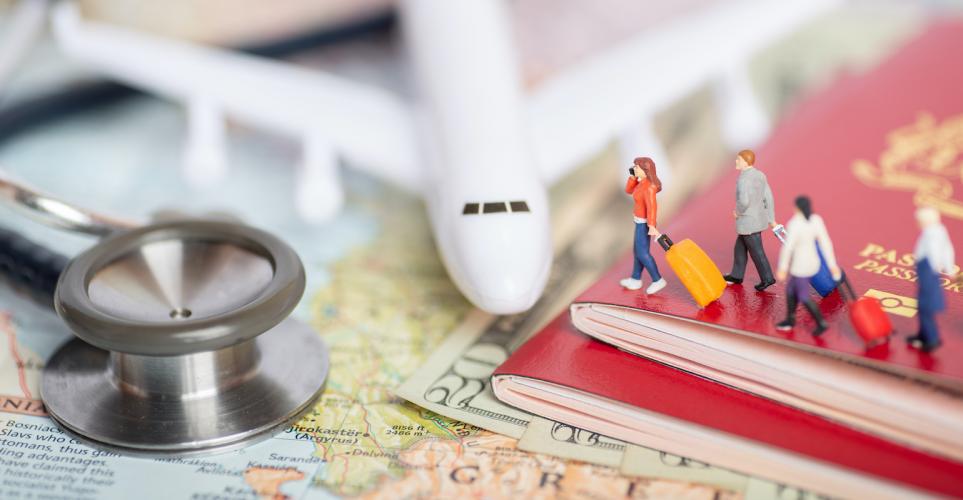
Beyond Vacation: How Thailand’s Hospitals Are Changing Canadian Healthcare Travel

For many Canadians, Thailand once meant beaches, culture, and time away from routine. Today, it represents something far more meaningful. Thailand has become a trusted destination for high quality healthcare, especially for those seeking addiction recovery and mental health treatment. As Canadian patients face long wait times and limited access to specialized care at home, Thailand’s hospitals and treatment centers are reshaping what healthcare travel can look like. This shift is not about convenience alone. It is about compassionate, personalized care that supports real healing.

Why Thailand Has Become a Healthcare Destination for Canadians

Thailand’s healthcare system is internationally respected for its modern facilities, skilled professionals, and patient centered approach. Hospitals and treatment centers across the country follow global standards and serve international patients every day. For Canadians, this means timely access to care without sacrificing quality or safety.

Cost is another important factor. Many services in Thailand are significantly more affordable than comparable options in Canada. This allows patients to pursue comprehensive treatment plans, including longer stays and integrated therapies, that might otherwise be out of reach. When it comes to addiction recovery and mental health treatment, this flexibility can make a critical difference in long term outcomes.

Hospitals That Go Beyond Medical Treatment

A Focus on Addiction Recovery

Thailand’s hospitals and recovery centers approach addiction as a complex condition that affects the body, mind, and spirit. Treatment programs often include medical detox, evidence based therapy, and structured aftercare planning. What truly sets these programs apart is their emphasis on individualized care.

Patients are not treated as numbers or diagnoses. Instead, care teams take time to understand personal history, triggers, and recovery goals. This personalized approach helps individuals build practical coping skills and regain a sense of control over their lives. For many Canadians, stepping away from familiar environments also reduces exposure to triggers, allowing them to focus fully on recovery.

Mental Health Treatment with Compassion

Mental health care in Thailand reflects the same commitment to whole person healing. Hospitals offer both inpatient and outpatient options for conditions such as anxiety, depression, trauma, and co occurring disorders. Treatment plans may include individual therapy, group counseling, and family involvement, all delivered with respect and empathy.

Many programs also integrate holistic practices that support emotional regulation and stress management. Mindfulness techniques, movement based therapies, and nutritional guidance are often included to complement clinical treatment. For patients who value spirituality, faith based support options are available, allowing care to align with personal beliefs and values.

Holistic and Individualized Care Models

Treating the Whole Person

One of the most impactful ways Thailand’s hospitals are changing healthcare travel is through holistic care models. These programs recognize that lasting recovery requires more than symptom management. They focus on physical health, emotional resilience, and personal growth.

Holistic therapies are not offered as add ons but as essential parts of the treatment process. Patients learn skills that support long term wellbeing, such as stress management, healthy routines, and emotional awareness. This approach helps Canadians return home better prepared to maintain their progress.

Flexible Inpatient and Outpatient Options

Thailand’s healthcare system offers a wide range of inpatient and outpatient programs. Inpatient care provides a structured and immersive environment for those who need intensive support. Outpatient care allows patients to receive treatment while gradually reintegrating into daily life.

This flexibility is particularly valuable for individuals balancing recovery with work or family responsibilities. It also supports continuity of care, which is essential for sustained mental health and addiction recovery.

Practical Considerations for Canadians

Healthcare travel requires thoughtful planning. Canadians should research hospitals and treatment centers carefully, confirm accreditation, and understand what support is available before and after treatment. Many facilities assist with logistics such as accommodation, transportation, and follow up planning, which helps reduce stress during a vulnerable time.

Clear communication is key. Reputable programs provide transparent information about treatment plans, costs, and expectations. Coordinating care with providers back in Canada also supports a smoother transition home.

A New Perspective on Healing

Thailand’s hospitals are changing the way Canadians think about healthcare travel. This is no longer about combining treatment with a holiday. It is about accessing compassionate, professional, and individualized care when it matters most.

If you or someone you love is seeking addiction recovery or mental health support, exploring care options in Thailand may offer new possibilities for healing. Reaching out for information is a powerful first step. With the right guidance and a supportive environment, recovery can begin far beyond the idea of vacation and lead toward lasting wellbeing.

Medical Tourism Made Simple: A Guide for Canadians Traveling to Thailand

For Canadians seeking high-quality healthcare, Thailand has become an increasingly popular destination. From advanced medical procedures to specialized addiction recovery and mental health treatment, the country offers compassionate, patient-focused care at a fraction of the cost in Canada. With internationally accredited hospitals, holistic programs, and individualized treatment plans, Thailand provides a safe and supportive environment for Canadians looking to prioritize their health and wellbeing.

Why Canadians Are Choosing Thailand for Medical Care

Medical tourism offers solutions for Canadians facing long wait times or limited access to specialized services at home. Thailand is renowned for its skilled healthcare professionals, modern facilities, and efficient care systems. This combination ensures that patients can receive timely treatment without compromising quality.

Beyond accessibility, Thailand provides significant cost advantages. Many procedures, including addiction treatment programs and mental health services, are more affordable than similar services in Canada. Patients often find that the overall savings, even when factoring in travel expenses, make international care a practical and valuable option.

Understanding Addiction Recovery Services in Thailand

Comprehensive and Personalized Programs

Addiction recovery services in Thailand are designed to treat the whole person. Programs typically include medically supervised detoxification, therapy sessions, and structured aftercare planning. Holistic approaches, such as mindfulness exercises, nutritional guidance, and stress management techniques, are integrated into treatment to promote long-term wellbeing.

For Canadians struggling with substance use, traveling abroad offers a change of environment that can reduce exposure to triggers and stressors. Being in a supportive and culturally rich setting enhances focus on recovery while receiving guidance from experienced professionals who understand the complexities of addiction.

Faith-Based and Holistic Options

Many recovery centers in Thailand offer faith-based or spiritually supportive programs for patients who value these approaches. These options allow treatment to align with personal beliefs, providing an additional layer of support during the healing process. Holistic therapies, including meditation, yoga, and art therapy, are often included to promote mental and emotional resilience alongside traditional medical care.

Navigating Mental Health Treatment Abroad

Mental health programs in Thailand cater to a wide range of needs, from outpatient therapy for manageable conditions to intensive inpatient care for severe cases. Treatment plans are often customized to the individual and may include cognitive-behavioral therapy, family counseling, and group support sessions.

Patients dealing with co-occurring disorders, such as addiction and depression, benefit from integrated programs that address multiple aspects of their health simultaneously. This individualized and comprehensive approach ensures that every patient receives care that is effective, supportive, and sustainable.

Practical Tips for Canadians Planning Medical Travel

Research and Accreditation

Before traveling, Canadians should carefully research potential treatment centers. Verify accreditation, review staff qualifications, and check patient testimonials to ensure high-quality care. Confirm that English-speaking support is available and that treatment plans are clearly communicated.

Travel Logistics

Planning for travel, accommodations, and post-treatment follow-up is essential. Many Thai hospitals offer concierge services to assist with appointments, transportation, and housing. Arranging travel insurance that covers medical procedures and understanding visa requirements will help make the experience smoother and less stressful.

Continuity of Care

Maintaining continuity of care is critical when returning home. Ensure that your Canadian healthcare providers are informed and that follow-up plans are in place. This coordination ensures that your recovery or treatment remains effective long after your return.

Taking the First Step Toward Healing

Medical tourism to Thailand is more than a cost-saving measure. It offers Canadians access to compassionate, professional, and individualized care in a supportive environment. Whether seeking addiction recovery services, mental health treatment, or holistic healing programs, Thailand provides options that address the full spectrum of patient needs.

If you or a loved one are considering medical travel for treatment, reaching out to accredited facilities and asking detailed questions is an important first step. With careful planning, professional guidance, and a supportive environment, Thailand can be a transformative destination for your journey to health and recovery.

Why Canadians Are Choosing Thailand for Affordable and Quality Healthcare

For many Canadians, accessing timely and comprehensive healthcare has become increasingly challenging. Long wait times, limited program availability, and high out of pocket costs for certain services have led people to look beyond their borders. Thailand has emerged as a trusted destination for affordable and high quality healthcare, particularly for individuals seeking addiction recovery and mental health treatment. With modern facilities, compassionate professionals, and a strong emphasis on holistic and individualized care, Thailand offers Canadians a meaningful alternative on their path to healing.

The Growing Appeal of Healthcare in Thailand

Thailand is internationally recognized for its advanced medical infrastructure and patient focused care. Hospitals and treatment centers across the country meet global standards and serve international clients every day. For Canadians, this means access to high quality treatment without the long delays that can interrupt recovery or worsen mental health conditions.

Affordability is another major factor. Many services in Thailand cost significantly less than comparable care in Canada, even when travel expenses are considered. This financial accessibility allows individuals to pursue longer or more comprehensive treatment plans that support lasting recovery rather than short term stabilization.

A Strong Focus on Addiction Recovery and Mental Health

Comprehensive Addiction Recovery Services

Addiction recovery in Thailand is built around the understanding that substance use disorders affect the whole person. Treatment programs often include medically supervised detox, evidence based therapy, and structured aftercare planning. What sets Thailand apart is the integration of holistic therapies that support emotional regulation, stress reduction, and spiritual growth.

Canadians who choose treatment abroad often value the opportunity to step away from familiar environments and triggers. Being in a new and supportive setting allows individuals to focus fully on recovery while receiving compassionate care from experienced professionals who understand the complexities of addiction.

Integrated Mental Health Treatment

Mental health care in Thailand is equally comprehensive. Patients can access both inpatient and outpatient programs designed to address anxiety, depression, trauma, and co occurring disorders. Therapy options may include individual counseling, group therapy, and family support, all delivered with a strong emphasis on dignity and respect.

Many programs also offer faith based and spiritually supportive options for those who find strength in these approaches. This flexibility ensures that treatment aligns with personal values and beliefs, which can be especially important during vulnerable stages of recovery.

Individualized and Holistic Approaches to Healing

Treating the Whole Person

One of the key reasons Canadians choose Thailand is the emphasis on individualized care. Treatment plans are not standardized or rushed. Instead, clinicians take time to understand each person’s history, needs, and goals. This allows for tailored care that addresses physical health, mental wellbeing, and emotional resilience.

Holistic therapies such as mindfulness practices, nutritional guidance, movement based therapy, and stress management are often incorporated alongside clinical treatment. These approaches help individuals build healthier coping strategies that support long term recovery.

Supportive Inpatient and Outpatient Options

Thailand offers a wide range of inpatient and outpatient care options, making it easier for Canadians to choose a program that fits their level of need. Inpatient care provides a structured and immersive environment for those requiring intensive support. Outpatient programs allow individuals to continue treatment while gradually reintegrating into daily life.

This flexibility is particularly helpful for people managing work, family responsibilities, or ongoing mental health care needs after returning to Canada.

Practical Considerations for Canadians

Traveling abroad for healthcare requires thoughtful planning. Canadians should research treatment providers carefully, confirm professional credentials, and understand what support is available before and after treatment. Many facilities assist with logistics such as accommodation, transportation, and follow up planning, which reduces stress during an already challenging time.

Clear communication and transparency are essential. Reputable programs provide detailed treatment plans, cost information, and ongoing support to ensure continuity of care once patients return home.

A Compassionate Path Forward

Choosing Thailand for healthcare is not about escaping the system at home. It is about finding timely, compassionate, and effective support when it matters most. For Canadians struggling with addiction or mental health challenges, Thailand offers a unique combination of affordability, quality care, and holistic healing.

If you or someone you love is exploring options for recovery, reaching out for guidance is a powerful first step. With the right support and a personalized approach, healing is possible. Thailand continues to be a place where many Canadians rediscover hope, stability, and a renewed sense of wellbeing.

From Maple Leafs to Muay Thai: Exploring Canada-Thailand Medical Tourism

Medical tourism is no longer a niche concept. More Canadians are exploring healthcare options abroad, and Thailand has become a leading destination for those seeking high-quality, affordable medical care. From advanced surgeries to mental health and addiction recovery treatments, Thailand offers a comprehensive approach that blends modern medicine with holistic, individualized care. For Canadians navigating addiction or mental health challenges, understanding how medical tourism works between Canada and Thailand can open new doors to healing and recovery.

Why Canadians Are Choosing Thailand for Medical Tourism

Healthcare in Canada is excellent, but it is often accompanied by long wait times, limited specialized programs, and high costs for certain treatments. Thailand addresses these gaps with internationally accredited hospitals, skilled practitioners, and a strong focus on patient-centered care. Canadians seeking addiction recovery services or mental health treatment may find that Thailand offers more accessible inpatient and outpatient programs, along with personalized approaches that incorporate holistic and faith-based methods.

Thailand’s medical tourism industry is designed to make the process smooth for international patients. English-speaking staff, transparent pricing, and guided care plans make it easier for Canadians to travel with confidence. Beyond traditional medical services, the country also provides options that integrate wellness therapies, such as meditation, yoga, and nutritional counseling, into recovery programs. This approach ensures that treatment addresses both the physical and emotional aspects of addiction and mental health care.

Addiction Recovery Services in Thailand

One of the most compelling reasons Canadians are turning to Thailand for medical tourism is the range of addiction recovery services available. Facilities provide tailored treatment plans for substances such as alcohol, prescription medications, and opioids. Programs often combine medical detox, behavioral therapy, and group counseling with holistic treatments like mindfulness training, massage therapy, and art therapy.

The advantage of receiving care abroad is the ability to disconnect from familiar triggers while in a supportive and culturally rich environment. Patients often report that being in a new setting with experienced, compassionate staff enhances their focus on recovery. Thailand’s treatment centers prioritize confidentiality, empathy, and individualized care, which can make the recovery journey more effective and less stressful for international patients.

Mental Health Treatment Options

Mental health treatment is another area where Thailand excels. Canadian patients can access outpatient programs that accommodate work schedules or intensive inpatient programs for more severe conditions. Treatment may include psychotherapy, cognitive-behavioral therapy, and holistic practices that complement traditional medical approaches. For those struggling with co-occurring disorders, Thailand’s integrative programs can provide simultaneous support for both mental health and substance use challenges.

Many facilities emphasize a culturally sensitive, client-centered approach. Faith-based and spiritual counseling options are available for patients who value these perspectives in their healing journey. By blending evidence-based therapies with individualized attention, Thailand’s mental health programs ensure that each patient receives the most effective care for their unique situation.

Practical Considerations for Canadians

Traveling to Thailand for medical care requires careful planning. Canadians should consider visa requirements, travel insurance coverage for medical treatment, and post-treatment follow-up. Many Thai hospitals offer concierge services to help with appointments, transportation, and accommodations, making the transition smoother.

It is also essential to research treatment centers thoroughly. Look for accreditation, staff qualifications, and patient reviews to ensure high-quality care. Communication is critical, so confirming that the facility provides English-speaking support and clear treatment plans can prevent misunderstandings and ensure a safer, more effective recovery process.

Taking the Next Step Toward Recovery

Medical tourism between Canada and Thailand presents a unique opportunity for Canadians seeking addiction recovery or mental health treatment. Thailand’s combination of advanced medical care, holistic support, and culturally rich environments creates an ideal setting for healing.

If you or a loved one are considering recovery options abroad, exploring Thailand’s programs may be a life-changing decision. Reach out to accredited facilities, ask questions about individualized care, and take the first step toward a supportive and effective recovery journey. The path to healing may be a long flight away, but the results can last a lifetime.

Holistic Healing Across Borders: Thai Medical Tourism Meets Canadian Mental Health Programs

Medical tourism is increasingly recognized as a pathway for accessing specialized care while embracing holistic healing practices. For Thai patients seeking support for addiction or mental health challenges, Canada provides an opportunity to combine evidence-based clinical care with integrative therapies that honor cultural and spiritual values. Understanding how these two healthcare systems complement each other empowers patients to make informed choices for recovery that is both effective and culturally sensitive.

Why Thai Patients Explore Mental Health Care Abroad

Access to Specialized Treatment

Thailand offers reputable wellness programs, mindfulness retreats, and holistic therapies, yet some patients require advanced mental health or addiction treatment available in Canada. Canadian centers provide structured, evidence-based programs for addiction recovery and mental health support, including personalized therapy plans, medical monitoring, and comprehensive inpatient or outpatient care. This access ensures that patients receive high-quality treatment that meets their individual needs.

Preserving Cultural and Spiritual Practices

Recovery is most successful when it respects a patient’s cultural and spiritual beliefs. Thai patients often rely on meditation, mindfulness, and faith-based practices as part of their emotional and mental wellness. Canadian programs increasingly integrate these elements, offering mindfulness sessions, holistic therapies, and spiritual support alongside clinical interventions. This approach allows patients to remain connected to familiar practices while benefiting from advanced medical care.

Types of Programs Available in Canada

Inpatient Programs for Comprehensive Support

Inpatient programs provide a structured environment with 24-hour supervision. Patients participate in daily therapy, group sessions, medical monitoring, and holistic activities such as yoga and meditation. Thai patients can also access culturally adapted care and Thai-speaking staff, ensuring that the treatment experience is comfortable, supportive, and effective.

Outpatient Programs for Flexible Recovery

Outpatient programs allow patients to maintain work, family, or educational commitments while participating in therapy, counseling, and support groups. These programs can integrate mindfulness practices, holistic wellness activities, and culturally sensitive interventions to support consistent recovery outside a residential setting.

Holistic and Faith-Based Approaches

Holistic healing addresses the mind, body, and spirit. Canadian mental health programs often include mindfulness exercises, yoga, nutrition-based therapies, and spiritual counseling. Faith-based programs provide additional guidance and emotional support, which can be particularly meaningful for Thai patients who draw strength from religious or meditative practices.

Practical Considerations for International Patients

Language and Cultural Accessibility

Language and cultural understanding are crucial for effective care. Programs offering Thai-speaking counselors, interpreters, or culturally adapted resources ensure patients can communicate their needs clearly, understand treatment plans, and engage fully in recovery.

Continuity of Care

Successful recovery requires consistent support. Thai patients should plan for follow-up care upon returning home, using telehealth services, online counseling, or connections to local support groups to maintain progress and reduce the risk of relapse.

Travel and Logistics

Cross-border care requires careful planning, including visas, travel arrangements, insurance, and budgeting for treatment costs. Collaborating with experienced medical tourism facilitators or directly with Canadian treatment centers can simplify the process and allow patients to focus entirely on their healing journey.

Integrating Two Worlds for Lasting Recovery

Medical tourism offers Thai patients a unique opportunity to access advanced mental health and addiction care while maintaining cultural and spiritual practices. By combining holistic, faith-based approaches with evidence-based clinical treatment, patients can experience a comprehensive path to recovery that supports long-term wellness.

If you or a loved one are considering cross-border mental health or addiction treatment, Stories From Thailand can help connect you with trusted Canadian programs that are compassionate, culturally informed, and focused on personalized care. Healing across borders is possible when treatment honors both medical expertise and individual cultural identity.

Thailand to Canada: How International Patients Access Specialized Addiction Care

Addiction recovery is a journey that requires compassion, expertise, and access to tailored treatment options. For Thai patients seeking advanced care, Canada has emerged as a destination for specialized addiction services. Canadian treatment centers offer a unique blend of evidence-based clinical interventions, holistic therapies, and culturally informed approaches. Understanding how international patients navigate this process can help individuals and families make informed decisions and access the right care for lasting recovery.

Why Thai Patients Seek Addiction Care in Canada

Access to Advanced Clinical Services

While Thailand offers reputable wellness programs and holistic rehabilitation, some patients require specialized care available in Canadian centers. Canadian facilities provide comprehensive addiction treatment, including medical detox, individualized therapy, mental health support, and ongoing monitoring. This access to advanced clinical services ensures that patients receive a high standard of care tailored to their unique needs.

Integrating Cultural and Holistic Approaches

Recovery is most effective when it respects a patient’s cultural and spiritual values. Many Thai patients value mindfulness, meditation, and faith-based practices. Canadian centers increasingly incorporate these elements into treatment plans, offering meditation sessions, holistic therapies, and faith-based support. This approach allows patients to maintain a connection to familiar practices while engaging in evidence-based care.

Understanding Treatment Options

Inpatient Programs for Intensive Support

Inpatient care provides structured, immersive treatment for patients who require continuous supervision. Programs typically include daily therapy, medical monitoring, group sessions, and opportunities for holistic activities such as yoga and meditation. For Thai patients, inpatient care can also be adapted to include culturally sensitive practices and Thai-speaking staff, fostering a comfortable and effective environment for recovery.

Outpatient Programs for Flexibility

Outpatient programs allow patients to receive professional care while continuing with work, family responsibilities, or education. Therapy sessions, counseling, and group support are scheduled around a patient’s lifestyle, making recovery accessible and sustainable. These programs can also integrate holistic and mindfulness-based practices to reinforce long-term recovery strategies.

Holistic and Faith-Based Recovery

Holistic approaches address the mind, body, and spirit. Nutrition guidance, mindfulness exercises, yoga, and spiritual counseling are commonly included in Canadian addiction programs. Faith-based options provide additional emotional and spiritual support, which can be particularly meaningful for Thai patients who draw strength from their religious or meditative practices.

Practical Steps for International Patients

Language and Cultural Support

Language can be a barrier when seeking care abroad. Programs that offer Thai-speaking counselors, interpreters, or culturally adapted materials help patients communicate effectively, understand treatment plans, and fully engage in their recovery journey.

Continuity of Care

Recovery extends beyond the initial treatment period. International patients should plan for follow-up care after returning to Thailand. Telehealth services, online counseling, and connections with local support groups ensure progress is maintained and reduce the risk of relapse.

Planning Travel and Logistics

Medical tourism for addiction treatment requires careful planning, including visas, travel arrangements, insurance coverage, and budgeting. Working with experienced facilitators or directly with Canadian treatment centers can streamline the process, allowing patients to focus on recovery instead of logistics.

Building a Path to Lasting Recovery

Cross-border addiction care between Thailand and Canada provides patients with access to specialized clinical services while respecting cultural and spiritual needs. By combining evidence-based treatment, holistic therapies, and individualized support, international patients can achieve meaningful, long-term recovery.

If you or a loved one is considering international treatment for addiction, Stories From Thailand can help guide you to compassionate, culturally informed Canadian programs. Recovery is possible when care is personalized, accessible, and centered on the individual’s unique journey.

Mental Health and Medical Tourism: Bridging Thai and Canadian Treatment Approaches

Medical tourism is becoming an important option for individuals seeking advanced healthcare solutions abroad. For Thai patients dealing with addiction or mental health challenges, Canada offers specialized programs that integrate evidence-based clinical care with holistic and faith-based practices. Understanding how Thai and Canadian treatment approaches can complement each other helps patients make informed decisions, ensuring both cultural comfort and clinical effectiveness during their recovery journey.

Why Thai Patients Explore Medical Tourism

Access to Specialized Mental Health Services

While Thailand has a strong reputation for wellness programs and holistic therapies, some patients seek advanced mental health and addiction care offered in Canada. Canadian treatment centers provide a broad spectrum of services, including inpatient and outpatient care, individualized treatment plans, and integrated mental health support. Access to these specialized services can be especially beneficial for Thai patients seeking long-term recovery solutions.

Incorporating Cultural and Spiritual Values

Recovery is most effective when it respects cultural and spiritual beliefs. Thai patients often value mindfulness, meditation, and spiritual practices rooted in Buddhist traditions. Canadian centers increasingly incorporate these practices into treatment programs, providing familiar coping mechanisms alongside clinical interventions. This integration allows patients to maintain a sense of identity and cultural connection while undergoing recovery.

How Canadian Programs Complement Thai Treatment Approaches

Inpatient Programs for Intensive Support

Inpatient programs in Canada offer structured care with 24-hour supervision. These programs include daily therapy sessions, medical monitoring, and opportunities for holistic treatments such as meditation and mindfulness. For Thai patients, inpatient care can be tailored to include Thai-speaking staff and culturally adapted practices, creating a comfortable and effective environment for recovery.

Outpatient Programs for Flexible Care

Outpatient programs provide therapy, counseling, and support while allowing patients to continue work, family responsibilities, or studies. This flexibility can be ideal for Thai patients who cannot commit to residential programs but still require consistent, professional care. Outpatient programs can also integrate wellness practices, group therapy, and culturally informed interventions.

Holistic and Faith-Based Approaches

Holistic care addresses the mind, body, and spirit. Practices such as yoga, meditation, nutrition therapy, and mindfulness exercises are common in Canadian recovery programs and resonate with Thai healing traditions. Faith-based programs provide spiritual guidance, emotional support, and community connection, enhancing overall recovery outcomes for patients who value these components.

Practical Considerations for Cross-Border Recovery

Language and Cultural Accessibility

Language barriers can be a challenge when accessing care abroad. Programs that offer Thai-speaking counselors, interpreters, or culturally adapted resources ensure patients can communicate effectively, understand treatment plans, and participate fully in therapy.

Continuity of Care

Successful recovery requires continuity. Thai patients should plan for follow-up care after returning home. Telehealth services, online counseling, and local support groups can help maintain progress and reduce the risk of relapse.

Travel and Logistical Planning

Medical tourism requires careful planning, including travel arrangements, visa requirements, insurance coverage, and budgeting for treatment costs. Working with experienced medical tourism facilitators or directly with Canadian centers can simplify this process and allow patients to focus on healing.

Bridging Two Worlds for Effective Recovery

Medical tourism allows Thai patients to access advanced mental health and addiction care while honoring cultural and spiritual traditions. By bridging Thai wellness practices with Canadian evidence-based treatment, patients can experience comprehensive, personalized recovery that addresses both physical and emotional well-being.

If you or a loved one is considering medical tourism for mental health or addiction recovery, Stories From Thailand can guide you to trusted, culturally sensitive programs in Canada. Healing across borders is possible when care respects both clinical expertise and cultural identity.

Medical Tourism and Addiction Recovery: Options for Thai Patients in Canada

Medical tourism is increasingly becoming an option for individuals seeking specialized care outside their home country. For Thai patients struggling with addiction or mental health challenges, Canada offers advanced treatment programs that combine clinical expertise with holistic, faith-based, and culturally sensitive approaches. Understanding the options available, how programs are structured, and the practical steps for accessing care can make the recovery journey smoother and more effective.

Why Thai Patients Consider Addiction Treatment in Canada

Access to Specialized and Evidence-Based Care

Thailand has a well-established wellness and rehabilitation sector, yet some patients require specialized clinical care that is more widely available in Canada. Canadian addiction treatment centers provide evidence-based therapies, personalized care plans, and integrated mental health support. These programs are designed to treat the whole person, not just the addiction, which can be especially valuable for Thai patients seeking comprehensive recovery options.

Integrating Cultural and Spiritual Practices

For many Thai patients, spirituality and mindfulness are key elements of personal healing. Canadian treatment centers are increasingly incorporating culturally informed approaches, such as meditation, mindfulness, and faith-based support, into their recovery programs. This integration allows patients to feel connected to familiar practices while receiving advanced clinical care.

Types of Addiction Recovery Programs Available

Inpatient Programs

Inpatient programs in Canada offer structured, immersive care for patients who need intensive support. These programs provide 24-hour supervision, daily therapy sessions, medical monitoring, and opportunities for holistic treatments. For Thai patients, inpatient care can also include culturally sensitive practices and language support, ensuring a comfortable and respectful environment for recovery.

Outpatient Programs

Outpatient programs offer flexibility for patients who wish to continue work, school, or family responsibilities while receiving treatment. These programs typically include counseling, therapy sessions, group support, and wellness activities. Outpatient care is particularly suited for Thai patients who require ongoing support but cannot commit to a residential program due to personal or logistical reasons.

Holistic and Faith-Based Approaches

Holistic care addresses mind, body, and spirit. Practices such as yoga, meditation, nutrition-based therapy, and mindfulness exercises are often incorporated into Canadian recovery programs. Faith-based approaches can also provide spiritual guidance and a sense of community, helping Thai patients maintain motivation and emotional balance throughout their recovery journey.

Practical Considerations for Thai Patients

Language and Cultural Accessibility

Language barriers can be a significant challenge for Thai patients seeking care in Canada. Programs that offer Thai-speaking counselors, interpreters, or culturally adapted resources help patients communicate effectively, understand treatment plans, and engage fully in therapy.

Continuity of Care

Effective recovery requires continuity of care. Patients considering medical tourism for addiction treatment should plan for follow-up care upon returning home. Telehealth services, ongoing counseling, and local support groups can help maintain progress and reduce the risk of relapse.

Travel and Logistical Planning

Planning for cross-border healthcare involves understanding visa requirements, travel logistics, and insurance coverage. Working with experienced medical tourism facilitators or directly with Canadian treatment centers can simplify the process, allowing patients to focus on recovery rather than administrative concerns.

Healing Beyond Borders

Medical tourism offers Thai patients a unique opportunity to access advanced addiction recovery and mental health care in Canada. By combining clinical expertise with culturally sensitive, holistic, and faith-based approaches, patients can experience comprehensive care that supports lasting recovery.

If you or a loved one is considering medical tourism for addiction treatment, Stories From Thailand provides guidance and resources to connect you with compassionate, expert programs in Canada. Healing is possible across borders when care is personalized, culturally informed, and centered on your unique journey.

From Thailand to Canada: What Patients Need to Know About Cross-Border Healthcare

Medical care across borders is becoming a viable option for patients seeking specialized treatment, especially in addiction recovery and mental health. For Thai individuals considering treatment in Canada, understanding the nuances of cross-border healthcare is essential. From cultural considerations to treatment options and logistical planning, informed decisions can make the difference between a successful recovery journey and avoidable challenges.

Why Thai Patients Consider Cross-Border Healthcare

Access to Specialized Addiction and Mental Health Services

Thailand has a strong reputation for wellness programs and holistic therapies, yet some patients require advanced clinical care or specialized mental health services available in Canada. Canadian treatment centers offer evidence-based therapies, personalized recovery plans, and comprehensive mental health support that may not be as widely accessible in Thailand. This makes Canada a compelling option for patients seeking high-quality, culturally informed care.

Integrating Cultural and Spiritual Needs

Recovery is most effective when it aligns with a patient’s cultural and spiritual values. Canadian programs increasingly recognize the importance of integrating mindfulness, meditation, and faith-based support into addiction treatment. These practices resonate with Thai patients, providing familiar grounding techniques alongside medical and psychological interventions.

Understanding Treatment Options in Canada

Inpatient Programs

Inpatient care in Canada offers structured environments with 24-hour supervision. These programs are ideal for patients requiring intensive support, medical supervision, and immersive therapy. For Thai patients, inpatient programs can also include culturally adapted care, such as Thai-speaking counselors, spiritual practices, and holistic therapy sessions.

Outpatient Programs

Outpatient care provides flexibility for patients who wish to continue work, school, or family responsibilities while receiving treatment. These programs typically include therapy sessions, counseling, group support, and wellness activities. Outpatient options are particularly useful for Thai patients who may have extended family obligations or travel constraints.

Holistic and Faith-Based Approaches

Many Canadian centers focus on holistic healing, addressing mind, body, and spirit. Practices such as yoga, mindfulness meditation, and nutritional therapy are integrated alongside clinical care. Faith-based programs also offer spiritual guidance for patients who rely on religion or meditation for emotional support, creating a more personalized recovery experience.

Key Considerations for Cross-Border Patients

Language and Communication

Language can be a significant barrier for Thai patients seeking treatment in Canada. Programs that offer Thai-speaking staff, translators, or culturally adapted resources make it easier to communicate needs, understand treatment plans, and engage fully in therapy.

Planning for Continuity of Care

Successful recovery requires continuity. Thai patients should ensure they have access to follow-up care once returning home, whether through local providers or telehealth services. Coordinating with Canadian centers in advance ensures treatment gains are maintained long-term.

Logistical and Financial Planning

Cross-border healthcare requires careful planning for visas, travel, insurance coverage, and cost of care. Collaborating with experienced medical tourism facilitators or directly with Canadian treatment centers can streamline the process, reducing stress and allowing patients to focus on recovery.

Conclusion: Taking the First Step Toward Healing

Cross-border healthcare between Thailand and Canada offers Thai patients unique opportunities to access advanced addiction recovery and mental health services while respecting cultural and spiritual needs. By choosing a program that integrates personalized care, holistic approaches, and culturally sensitive practices, patients set the stage for a successful, long-term recovery journey.

If you or a loved one is considering cross-border treatment for addiction or mental health challenges, Stories From Thailand provides guidance, resources, and compassionate support. Taking the first step toward recovery begins with understanding your options and connecting with trusted professionals who value both your health and your culture.

Exploring Medical Tourism: How Thai and Canadian Healthcare Systems Collaborate for Recovery

Medical tourism has become an increasingly important avenue for patients seeking specialized care across borders. For Thai individuals struggling with addiction or mental health challenges, Canada offers a range of treatment options that combine clinical excellence with holistic and faith-based approaches. At the same time, Thailand remains a global hub for wellness and recovery programs. The collaboration between these two healthcare systems provides opportunities for patients to access comprehensive, culturally sensitive, and individualized care that supports long-term recovery.

Understanding the Appeal of Medical Tourism

Thai Patients Seeking Advanced Recovery Programs

Thailand has long been recognized for its high-quality wellness programs, including detox, mindfulness retreats, and holistic therapies. However, some patients may seek additional support in Canada, where addiction recovery and mental health services incorporate evidence-based clinical interventions alongside holistic care. This combination allows Thai patients to experience the best of both worlds—traditional healing practices alongside advanced medical treatment.

Bridging Cultural and Clinical Expertise

One of the challenges in cross-border healthcare is ensuring that treatment aligns with cultural values. Canadian programs have adapted to meet the needs of Thai patients by integrating practices such as mindfulness, meditation, and faith-based support into their treatment plans. This culturally informed approach increases engagement, trust, and overall recovery success.

How Canadian Healthcare Supports International Recovery

Inpatient and Outpatient Programs

Canadian addiction treatment centers provide both inpatient and outpatient programs, each designed to accommodate different levels of care. Inpatient programs offer 24-hour supervision, structured routines, and intensive therapy for patients who need a stable and immersive environment. Outpatient programs, on the other hand, allow individuals to continue their daily routines while participating in therapy sessions, counseling, and group support. For Thai patients traveling for medical tourism, this flexibility ensures that care is both accessible and effective.

Holistic and Faith-Based Approaches

Healing from addiction involves more than medical intervention. Many Canadian programs emphasize holistic care, including mindfulness training, meditation, yoga, and nutrition-based therapies. These approaches resonate with Thai cultural and spiritual practices, providing patients with familiar methods of self-care and emotional regulation. Faith-based programs also offer an added layer of support for those who draw strength from spiritual guidance, reinforcing the connection between mind, body, and spirit in recovery.

Benefits of Cross-Border Collaboration

Knowledge Sharing and Best Practices

Medical tourism encourages collaboration between Thai and Canadian healthcare providers, creating opportunities for knowledge sharing. Best practices in addiction recovery, mental health treatment, and holistic care can be exchanged, improving outcomes for patients in both countries.

Personalized and Culturally Sensitive Care

By understanding the unique needs of Thai patients, Canadian treatment centers can offer personalized recovery plans that address both cultural and clinical considerations. This approach enhances trust, reduces stigma, and supports long-term recovery success.

Practical Considerations for Thai Patients

Traveling for medical care requires careful planning, including understanding visa requirements, travel logistics, and treatment costs. Working with experienced medical tourism facilitators or directly with Canadian recovery centers can help ensure a smooth process. Patients should also consider ongoing support after returning home, as continuity of care is essential for lasting recovery.

Healing Across Borders

Medical tourism between Thailand and Canada is more than a travel trend—it is a bridge that connects patients to comprehensive, compassionate, and culturally sensitive recovery programs. By combining the strengths of Thai wellness traditions with the clinical expertise of Canadian healthcare, patients have access to a uniquely supportive path toward healing.

If you or a loved one is considering recovery through medical tourism, Stories From Thailand can guide you toward trusted Canadian programs that align with your needs, values, and long-term recovery goals. Healing across borders is possible, and support is just a call or click away.