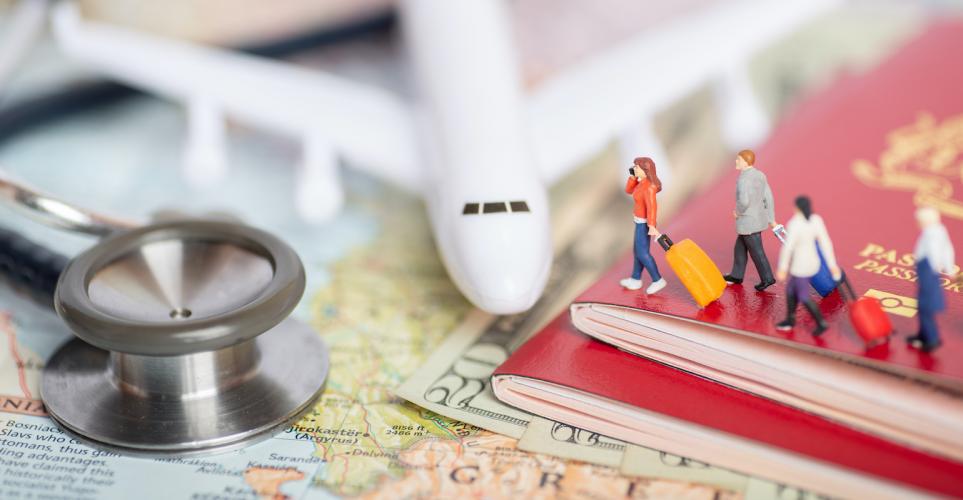
Medical tourism is becoming an important option for individuals seeking advanced healthcare solutions abroad. For Thai patients dealing with addiction or mental health challenges, Canada offers specialized programs that integrate evidence-based clinical care with holistic and faith-based practices. Understanding how Thai and Canadian treatment approaches can complement each other helps patients make informed decisions, ensuring both cultural comfort and clinical effectiveness during their recovery journey.
Why Thai Patients Explore Medical Tourism
Access to Specialized Mental Health Services
While Thailand has a strong reputation for wellness programs and holistic therapies, some patients seek advanced mental health and addiction care offered in Canada. Canadian treatment centers provide a broad spectrum of services, including inpatient and outpatient care, individualized treatment plans, and integrated mental health support. Access to these specialized services can be especially beneficial for Thai patients seeking long-term recovery solutions.
Incorporating Cultural and Spiritual Values
Recovery is most effective when it respects cultural and spiritual beliefs. Thai patients often value mindfulness, meditation, and spiritual practices rooted in Buddhist traditions. Canadian centers increasingly incorporate these practices into treatment programs, providing familiar coping mechanisms alongside clinical interventions. This integration allows patients to maintain a sense of identity and cultural connection while undergoing recovery.
How Canadian Programs Complement Thai Treatment Approaches
Inpatient Programs for Intensive Support
Inpatient programs in Canada offer structured care with 24-hour supervision. These programs include daily therapy sessions, medical monitoring, and opportunities for holistic treatments such as meditation and mindfulness. For Thai patients, inpatient care can be tailored to include Thai-speaking staff and culturally adapted practices, creating a comfortable and effective environment for recovery.
Outpatient Programs for Flexible Care
Outpatient programs provide therapy, counseling, and support while allowing patients to continue work, family responsibilities, or studies. This flexibility can be ideal for Thai patients who cannot commit to residential programs but still require consistent, professional care. Outpatient programs can also integrate wellness practices, group therapy, and culturally informed interventions.
Holistic and Faith-Based Approaches
Holistic care addresses the mind, body, and spirit. Practices such as yoga, meditation, nutrition therapy, and mindfulness exercises are common in Canadian recovery programs and resonate with Thai healing traditions. Faith-based programs provide spiritual guidance, emotional support, and community connection, enhancing overall recovery outcomes for patients who value these components.
Practical Considerations for Cross-Border Recovery
Language and Cultural Accessibility
Language barriers can be a challenge when accessing care abroad. Programs that offer Thai-speaking counselors, interpreters, or culturally adapted resources ensure patients can communicate effectively, understand treatment plans, and participate fully in therapy.
Continuity of Care
Successful recovery requires continuity. Thai patients should plan for follow-up care after returning home. Telehealth services, online counseling, and local support groups can help maintain progress and reduce the risk of relapse.
Travel and Logistical Planning
Medical tourism requires careful planning, including travel arrangements, visa requirements, insurance coverage, and budgeting for treatment costs. Working with experienced medical tourism facilitators or directly with Canadian centers can simplify this process and allow patients to focus on healing.
Bridging Two Worlds for Effective Recovery
Medical tourism allows Thai patients to access advanced mental health and addiction care while honoring cultural and spiritual traditions. By bridging Thai wellness practices with Canadian evidence-based treatment, patients can experience comprehensive, personalized recovery that addresses both physical and emotional well-being.
If you or a loved one is considering medical tourism for mental health or addiction recovery, Stories From Thailand can guide you to trusted, culturally sensitive programs in Canada. Healing across borders is possible when care respects both clinical expertise and cultural identity.